
Urban Dharma Buddhist Temple
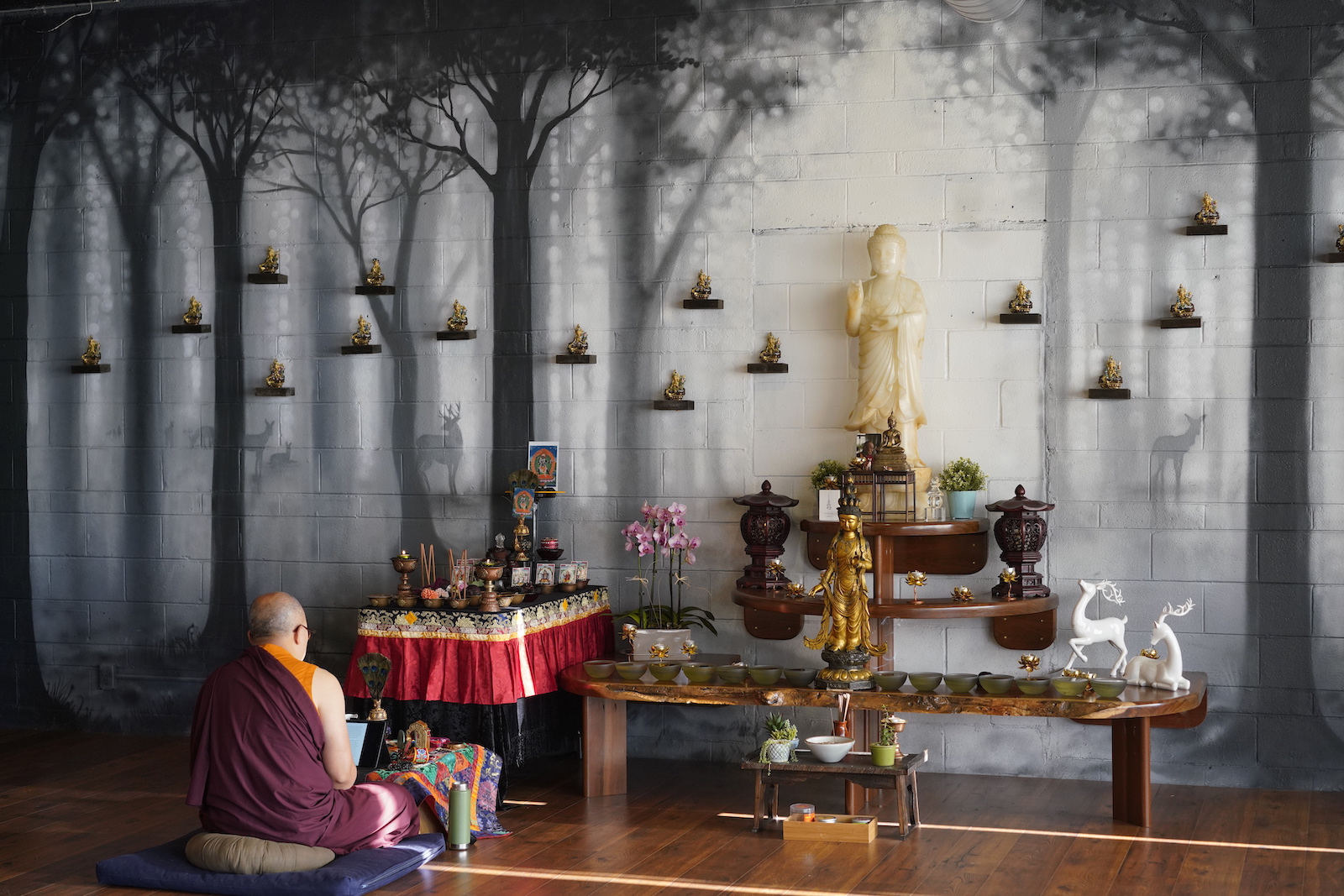
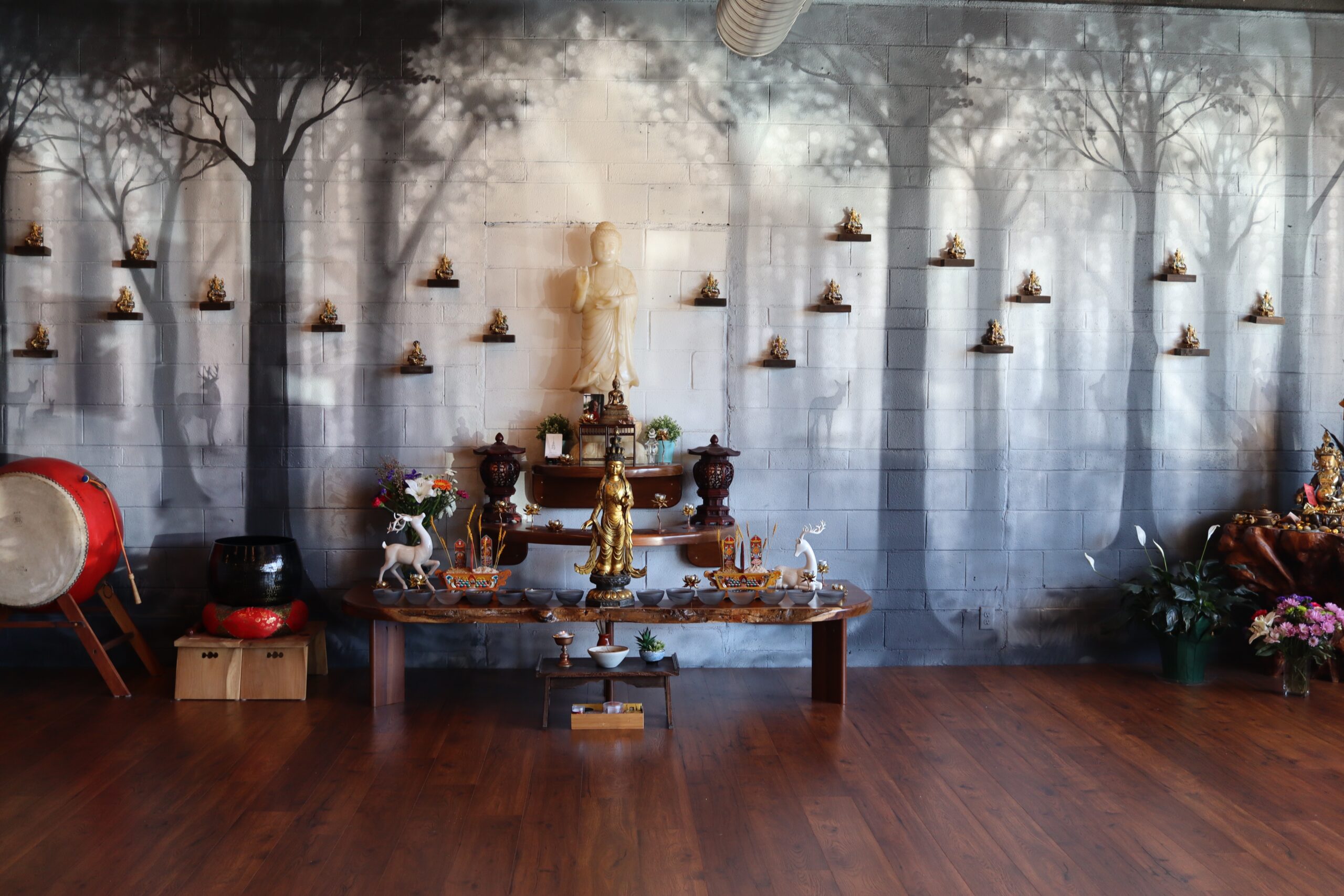
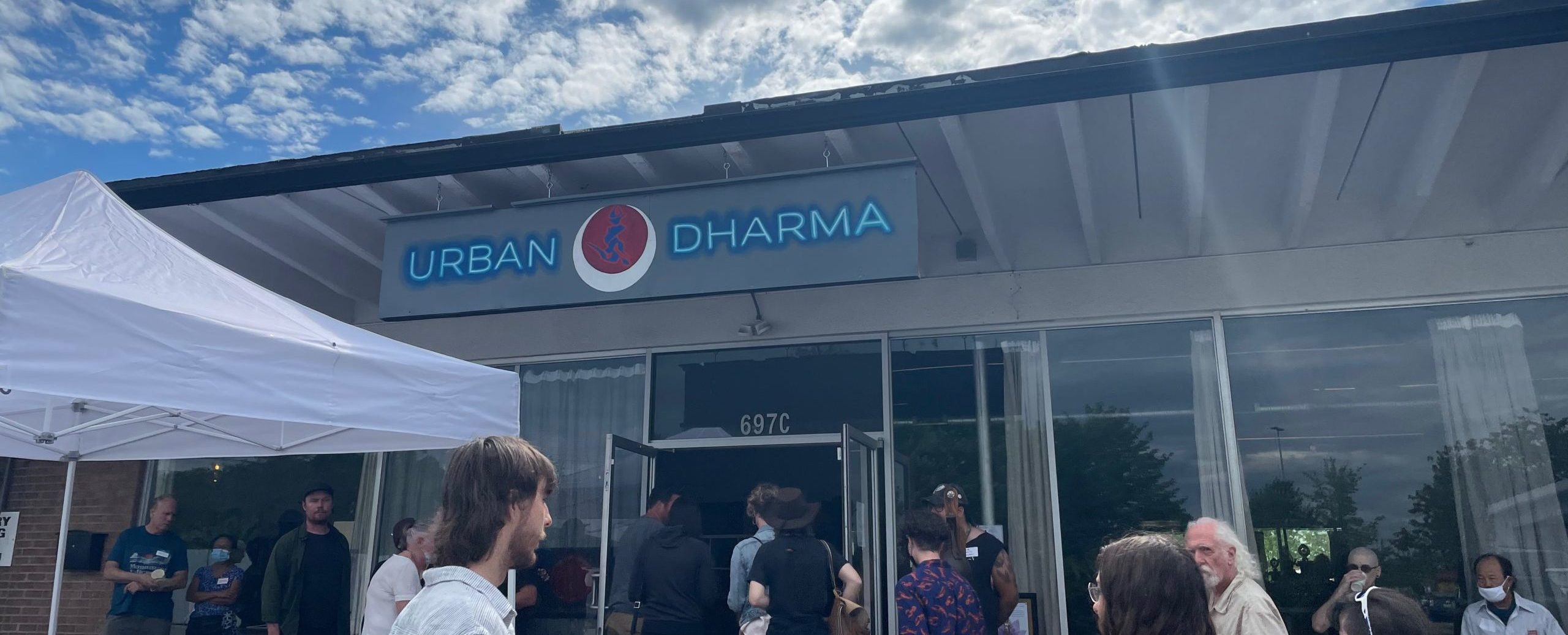
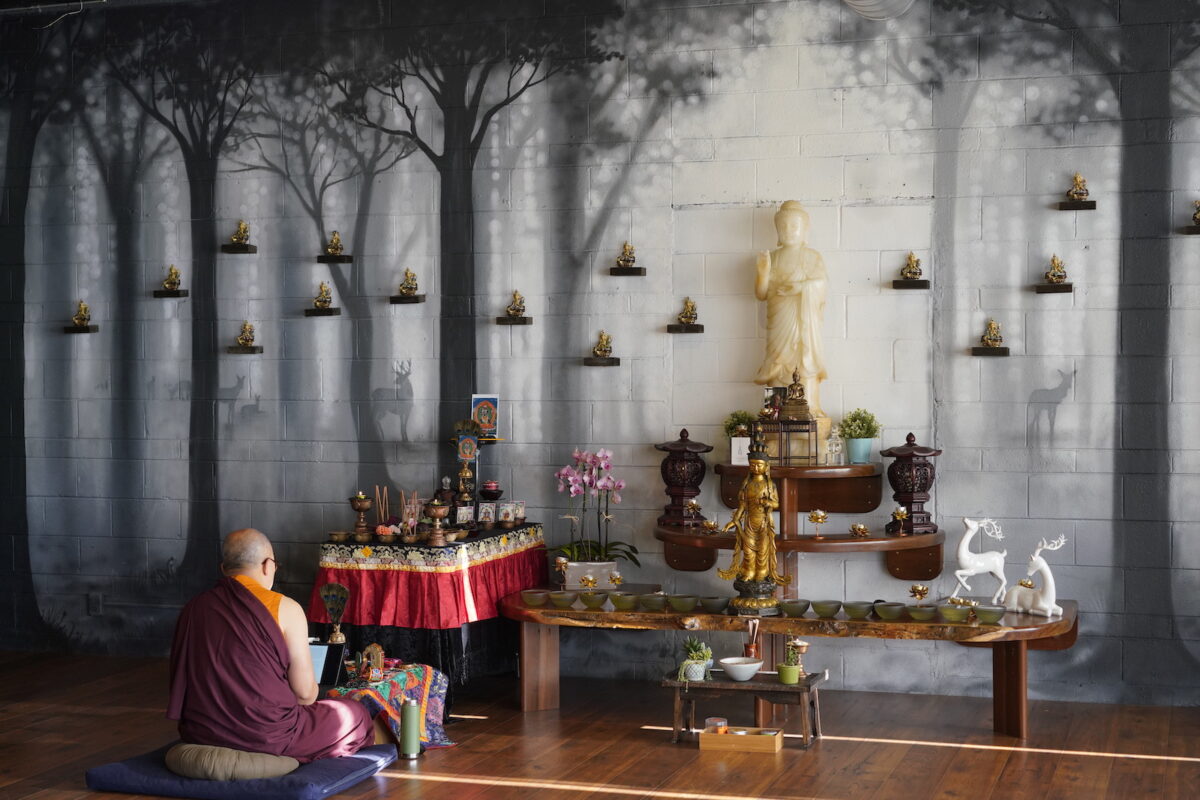
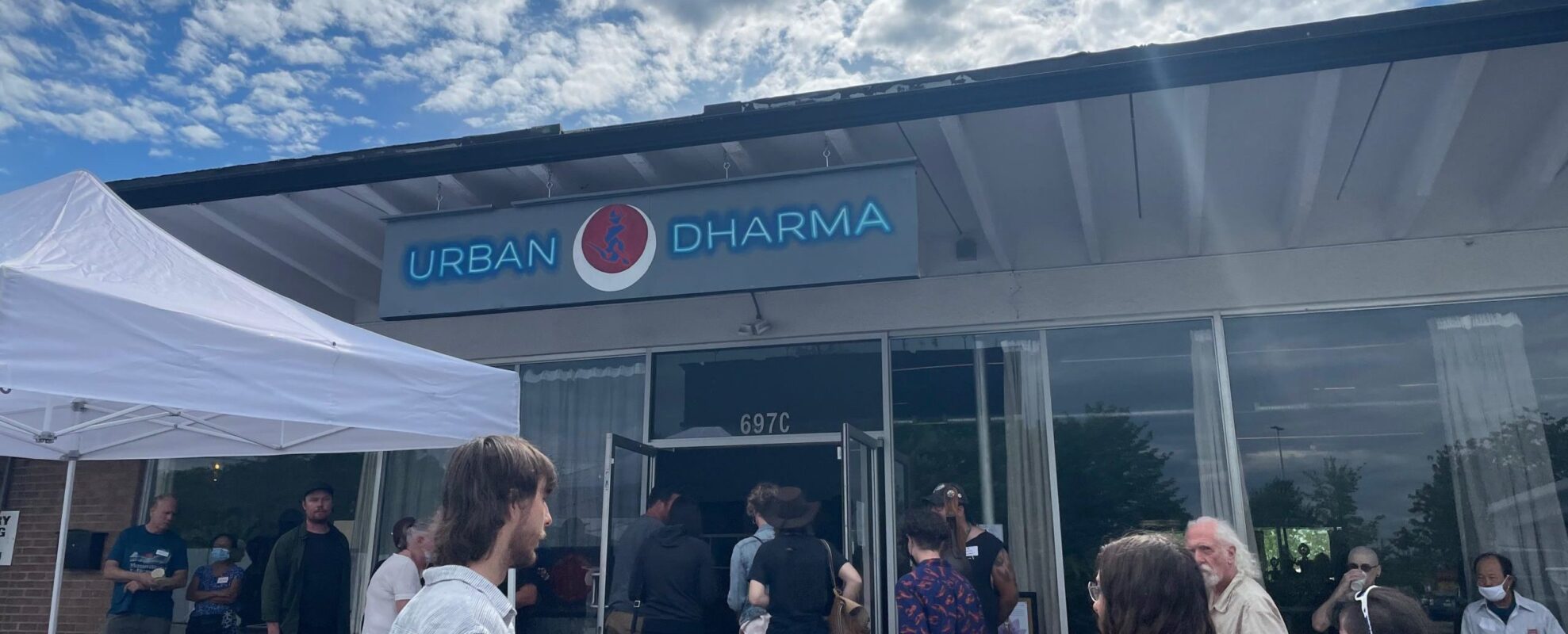
Founded in 2011, Urban Dharma NC exists to share the Buddha’s teachings in ways that inspire understanding, connection, and real-world relevance. Located in the heart of West Asheville, the temple welcomes both committed Buddhist practitioners and anyone seeking a quiet, sacred, and welcoming space.
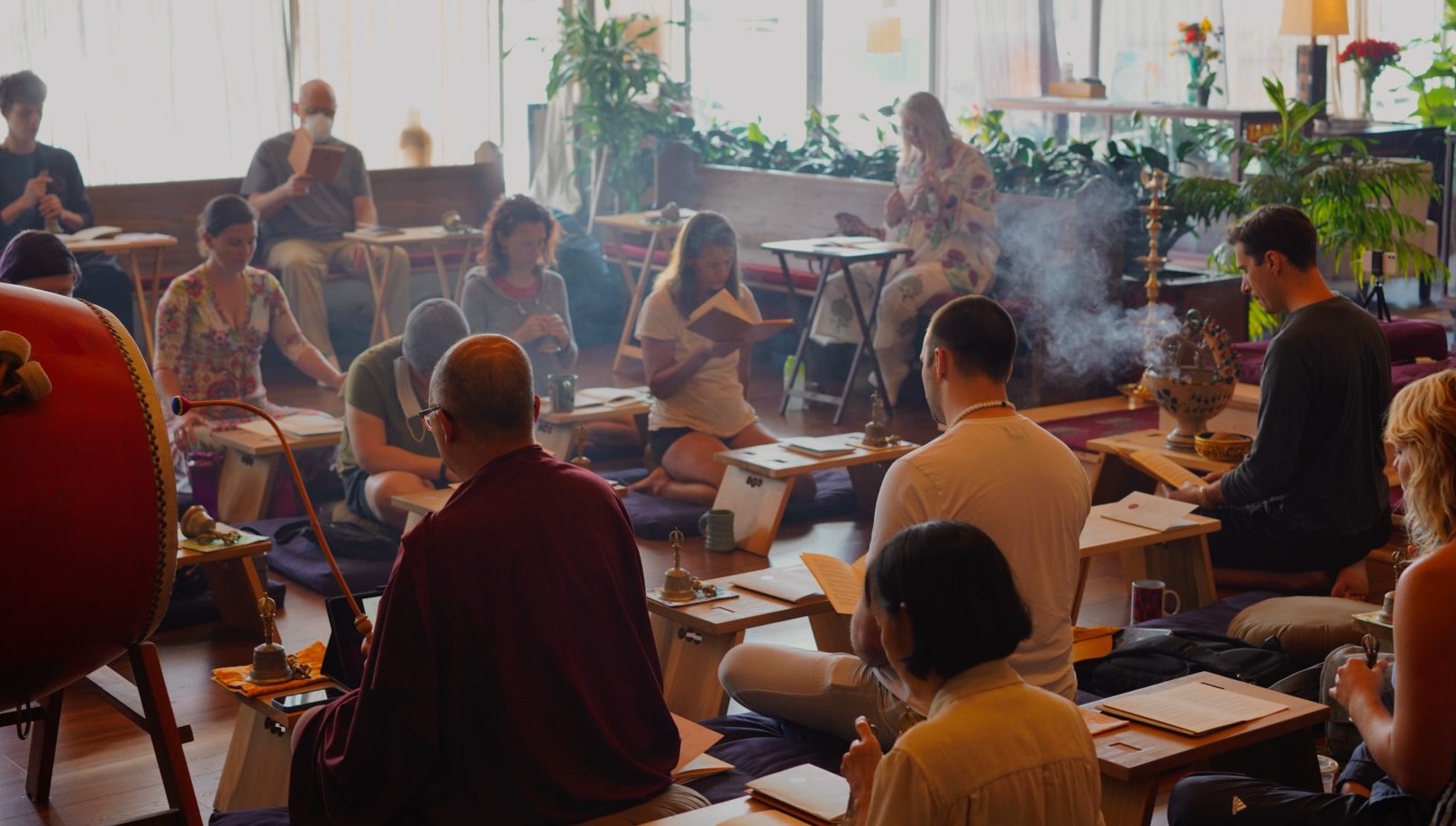
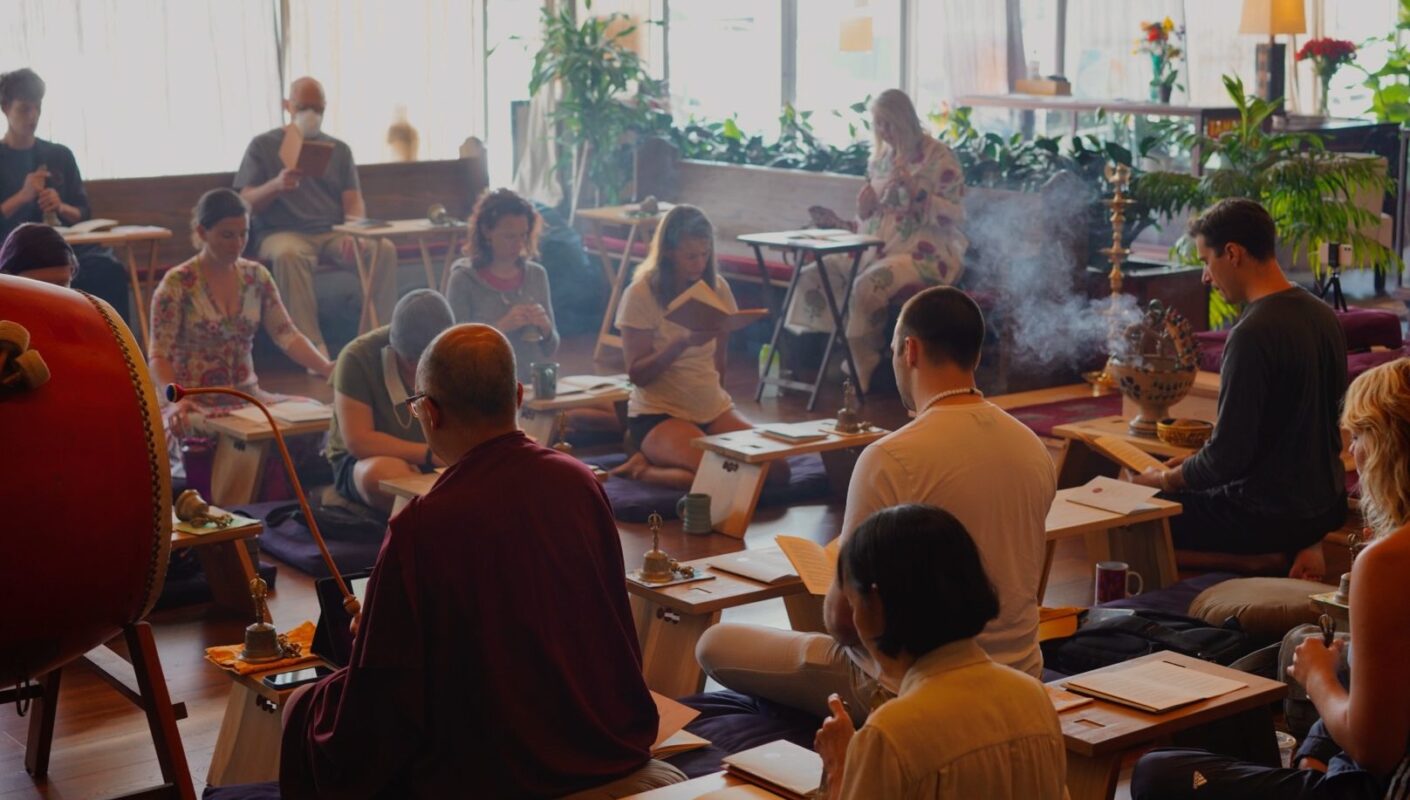
The temple offers a place for meditation, reflection, friendship, and community wellness. Though rooted in the Drikung Kagyu tradition of Tibetan Buddhism, they are a non-sectarian, public temple open to all. Their motto — “Changing Minds, Transforming Cities” — reflects their aspiration to bring the Dharma into everyday life, cultivating compassion, clarity, and a sense of belonging right here in the Appalachian mountains.
Urban Dharma NC is a registered Buddhist church in North Carolina, tax‑exempt under IRC 501(c)(3), and overseen by a Board of Directors charged with strategic vision and financial stewardship. They rely on generosity in all forms to keep Urban Dharma open and available to all interested visitors. Please help us in whatever way or manner that you can. Donations can be made online.
Volunteers—those who tend the shrine, host events, maintain the space, and welcome newcomers—bring this community to life, day in and day out.
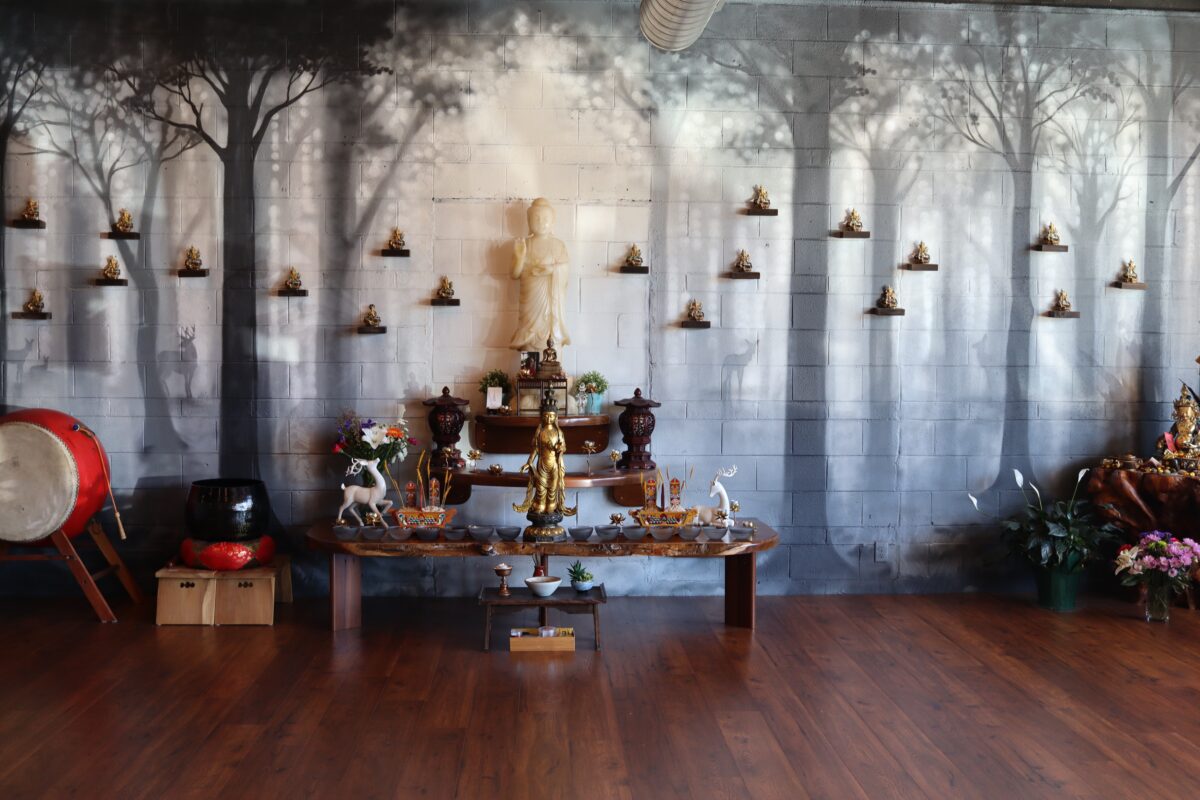
Urban Dharma is a Buddhist temple with a reading room, and regularly scheduled public programs. Visitors are also welcome during open hours for personal practice, contemplation, reading, and reflection. Please see their website for schedule.
As a Buddhist temple, they have some basic etiquette and ritual-forms that they require visitors to observe. Many of these guidelines have been passed down from ancient times. Please take note of the following while you are a guest at the temple.
1. Please maintain a tidy, clean, and quiet demeanor.
2. No footwear or headwear is allowed in the shrine part of our temple.
3. Please dress modestly. Buddhist spaces require visitors to avoid tight and revealing clothing.
4. While seated, do not point your feet towards the altar or teacher.
5. Do not touch or move the sacred objects on the altars.
6. Our space is not for napping, sleeping, or meditating while lying down.
7. Only offer incense and tea lights provided by us and at designated places.
8. Tidy up after yourself.